可04
馬可福音第4章
1耶穌又在海邊教訓人。有許多人到他那裡聚集,他只得上船坐下。船在海裡,眾人都靠近海,站在岸上。
2耶穌就用比喻教訓他們許多道理。在教訓之間,對他們說:
3「你們聽啊!有一個撒種的出去撒種。
4撒的時候,有落在路旁的,飛鳥來吃盡了;
5有落在土淺石頭地上的,土既不深,發苗最快,
6日頭出來一曬,因為沒有根,就枯乾了;
7有落在荊棘裡的,荊棘長起來,把它擠住了,就不結實;
8又有落在好土裡的,就發生長大,結實有三十倍的,有六十倍的,有一百倍的」;
9又說:「有耳可聽的,就應當聽!」
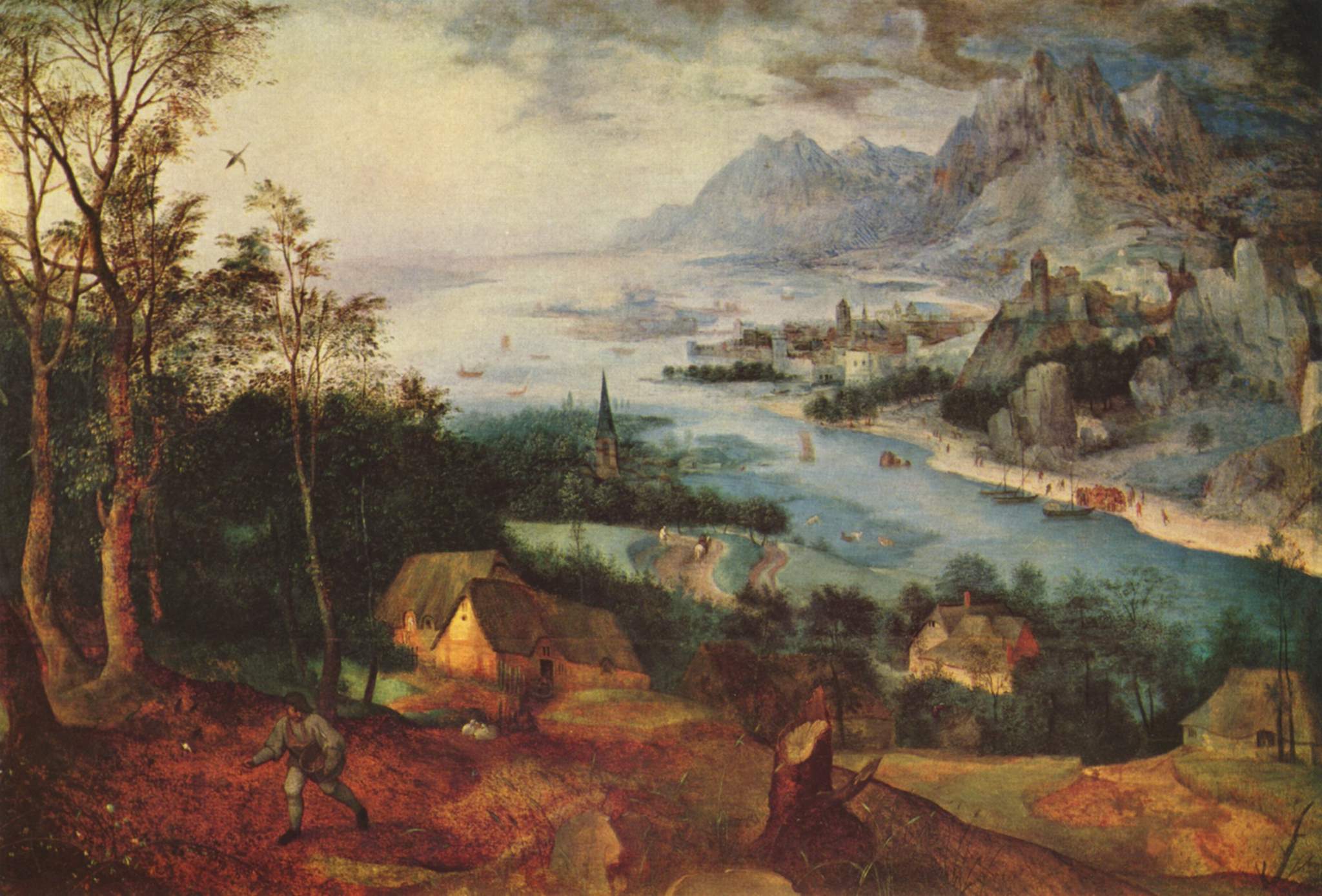
Pieter Brueghel the Elder: Parable of the Sower(1552)Timken Museum of Art, San Diego, USA(Public Domain, Wikimedia Commons)
(更多...)

Phillip Medhurst – An etching by Jan Luyken illustrating Mark 4:3-9 in the Bowyer Bible, Bolton, England.(Free Art License, Wikimedia Commons)

Georg Pencz – The Parable of the Sower, from The Story of Christ(1534~5)Metropolitan Museum of Art, New York, USA(Public Domain, Wikimedia Commons)
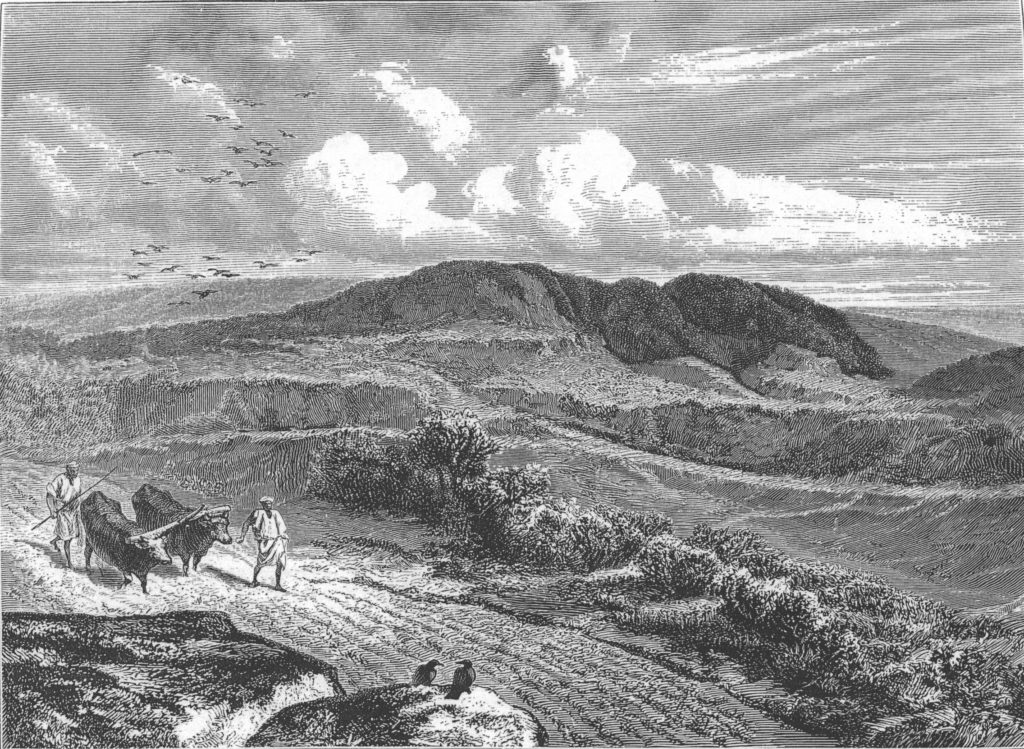
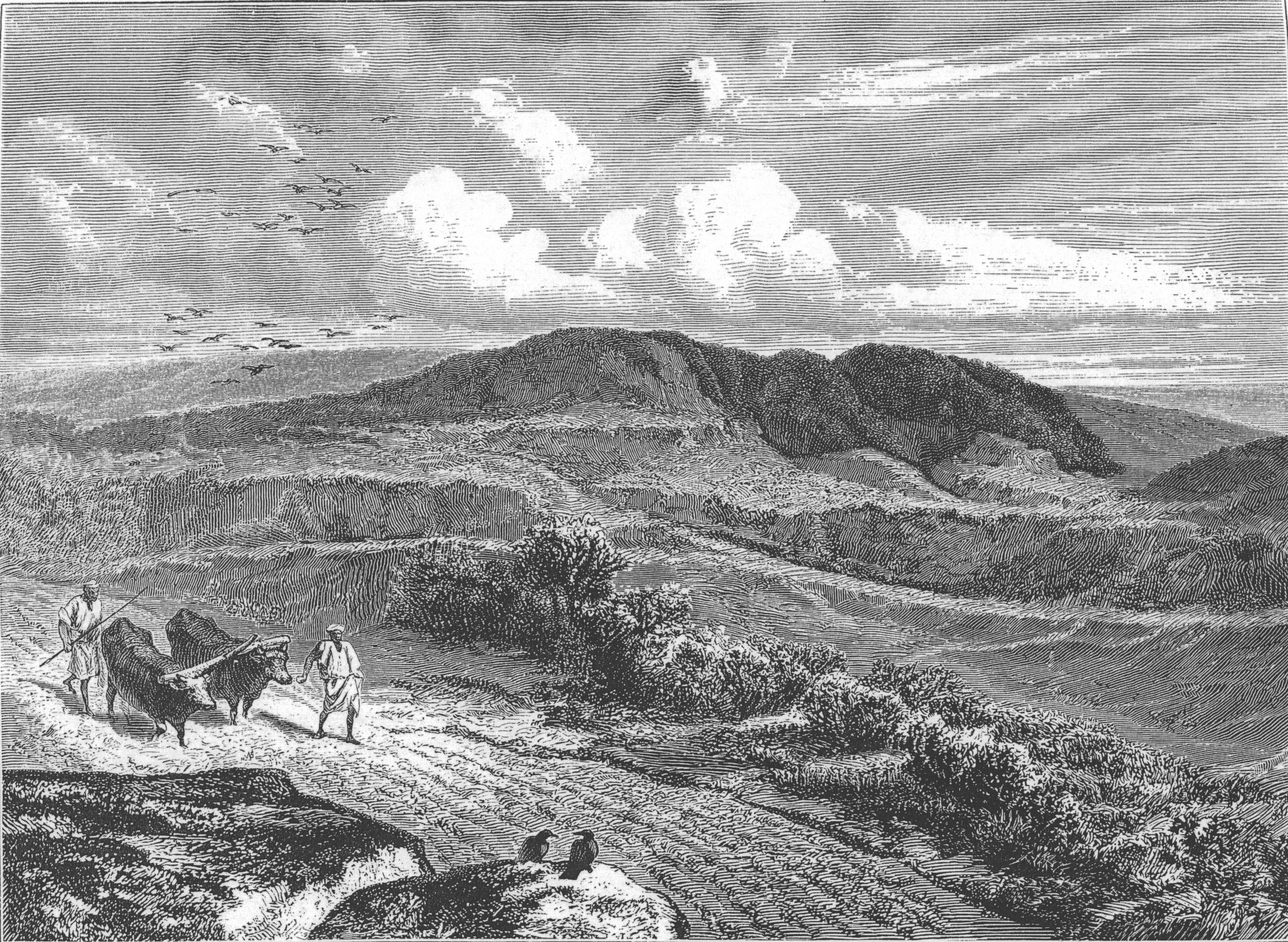
Alexandre Bida – Sower Parable(1874)(Public Domain, Wikimedia Commons)

用比喻的目的( 太 13:10-17 路 8:9-10 )
10無人的時候,跟隨耶穌的人和十二個門徒問他這比喻的意思。
11耶穌對他們說:「 神國的奧祕只叫你們知道,若是對外人講,凡事就用比喻,
12叫他們看是看見,卻不曉得;聽是聽見,卻不明白;恐怕他們回轉過來,就得赦免。」
解明撒種的比喻( 太 13:18-23 路 8:11-15 )
13又對他們說:「你們不明白這比喻嗎?這樣怎能明白一切的比喻呢?
14撒種之人所撒的就是道。
15那撒在路旁的,就是人聽了道,撒但立刻來,把撒在他心裡的道奪了去。
16那撒在石頭地上的,就是人聽了道,立刻歡喜領受,
17但他心裡沒有根,不過是暫時的,及至為道遭了患難,或是受了逼迫,立刻就跌倒了。
18還有那撒在荊棘裡的,就是人聽了道,
19後來有世上的思慮、錢財的迷惑,和別樣的私慾進來,把道擠住了,就不能結實。
20那撒在好地上的,就是人聽道,又領受,並且結實,有三十倍的,有六十倍的,有一百倍的。」
斗底下的燈( 路 8:16-18 )
21耶穌又對他們說:「人拿燈來,豈是要放在斗底下,床底下,不放在燈臺上嗎?
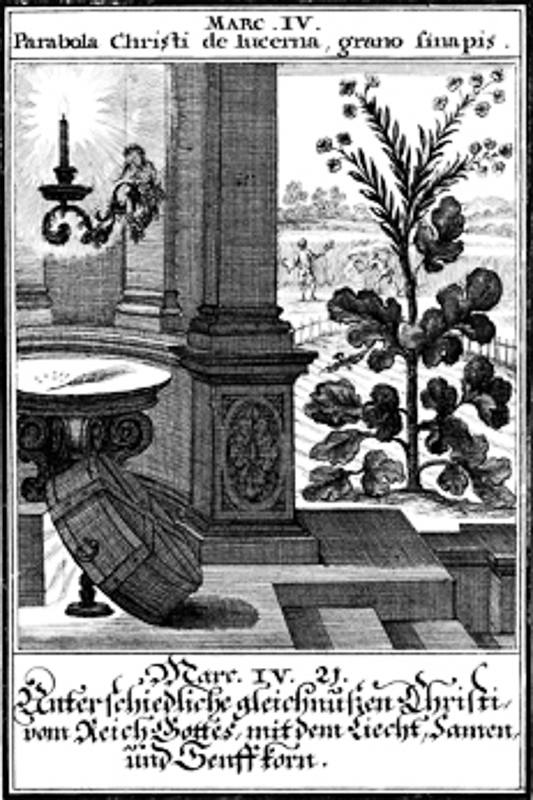
Johann Christoph Weigel – Picture of the lamp on a stand and the parable of the growing seed, from “Biblia ectypa : Bildnussen auss Heiliger Schrifft Alt und Neuen Testaments”(1695)(Public Domain, Wikimedia Commons)
22因為掩藏的事,沒有不顯出來的;隱瞞的事,沒有不露出來的。
23有耳可聽的,就應當聽!」
24又說:「你們所聽的要留心。你們用甚麼量器量給人,也必用甚麼量器量給你們,並且要多給你們。
25因為有的,還要給他;沒有的,連他所有的也要奪去。」
26又說:「 神的國如同人把種撒在地上。
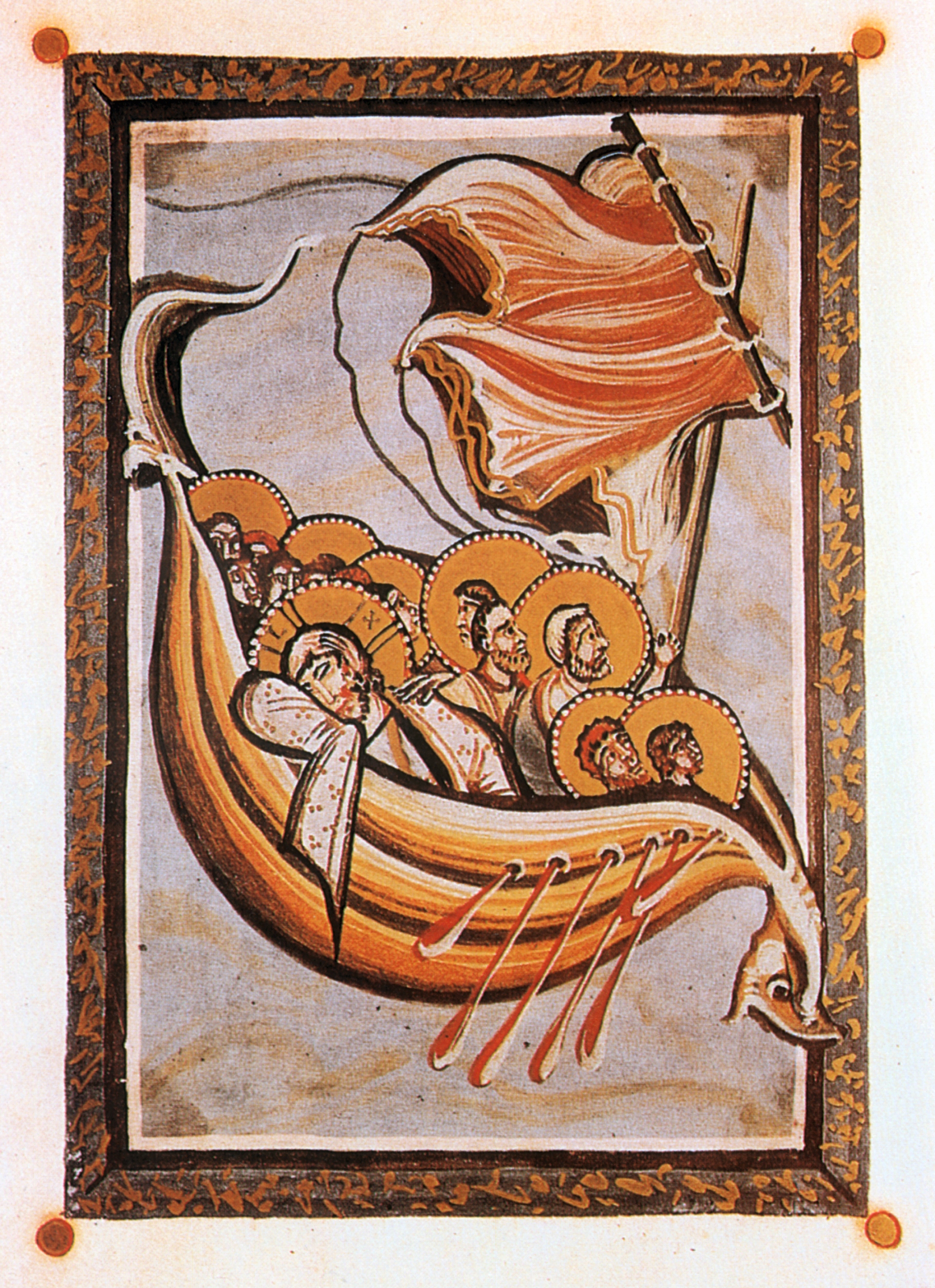
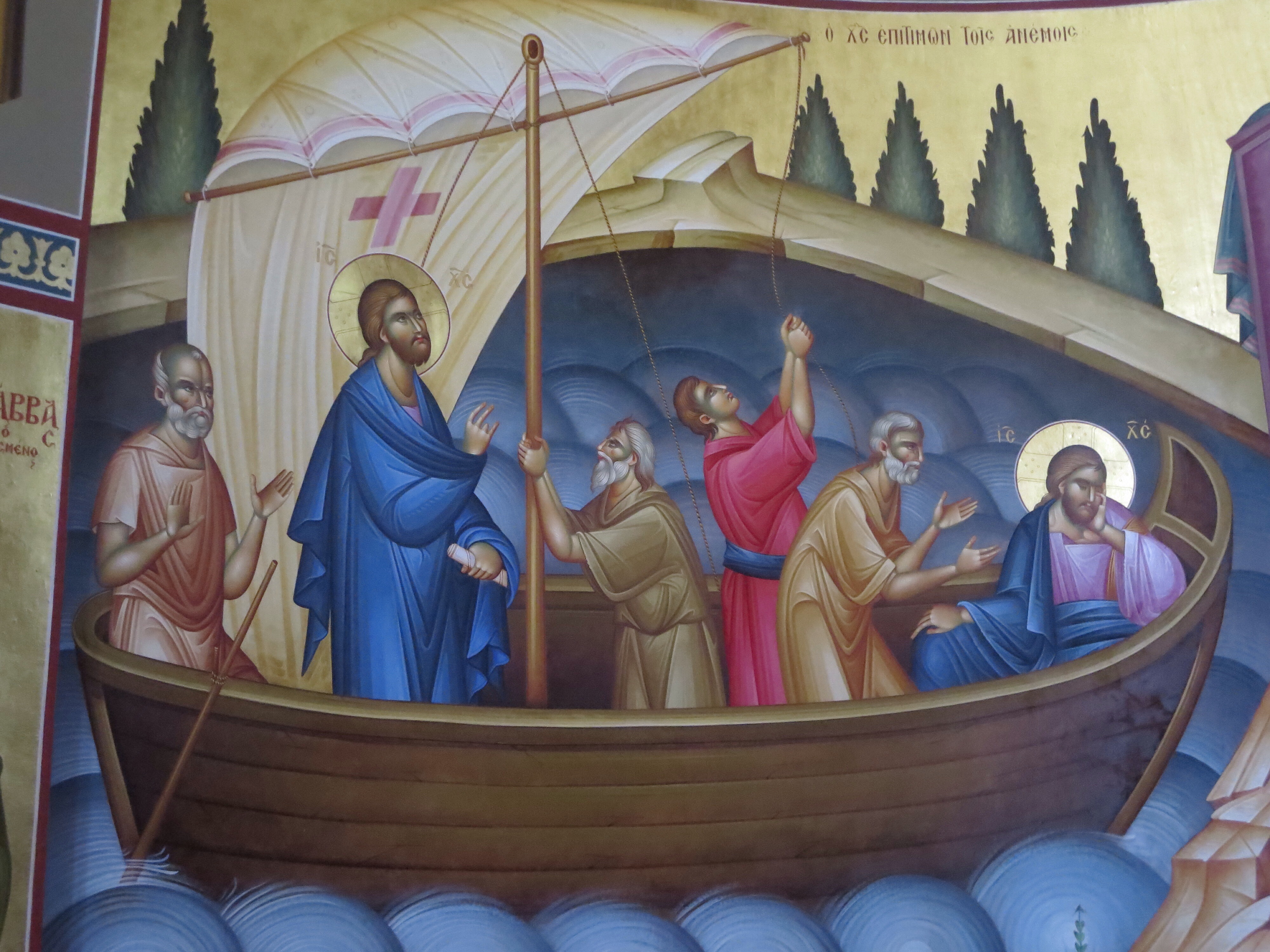
27黑夜睡覺,白日起來,這種就發芽漸長,那人卻不曉得如何這樣。
28地生五穀是出於自然的:先發苗,後長穗,再後穗上結成飽滿的子粒;
29穀既熟了,就用鐮刀去割,因為收成的時候到了。」
芥菜種的比喻( 太 13:31-32 路 13:18-19 )
30又說:「 神的國,我們可用甚麼比較呢?可用甚麼比喻表明呢?
31好像一粒芥菜種,種在地裡的時候,雖比地上的百種都小,
32但種上以後,就長起來,比各樣的菜都大,又長出大枝來,甚至天上的飛鳥可以宿在它的蔭下。」

Mustard seeds by David Turner February 23, 2005 Edited by Consequencefree to replace the coin with an SI measurement reference(2005)(Creative Commons Attribution-Share Alike 3.0 Unported License, Wikimedia Commons)

Phillip Medhurst – An etching by Jan Luyken illustrating Mark 4:30-32 in the Bowyer Bible, Bolton, England.(2009)(Free Art License, Wikimedia Commons)
耶穌用比喻講道( 太 13:34 )
33耶穌用許多這樣的比喻,照他們所能聽的,對他們講道。
34若不用比喻,就不對他們講;沒有人的時候,就把一切的道講給門徒聽。
35當那天晚上,耶穌對門徒說:「我們渡到那邊去吧。」
36門徒離開眾人,耶穌仍在船上,他們就把他一同帶去;也有別的船和他同行。
37忽然起了暴風,波浪打入船內,甚至船要滿了水。
38耶穌在船尾上,枕著枕頭睡覺。門徒叫醒了他,說:「夫子!我們喪命,你不顧嗎?」
39耶穌醒了,斥責風,向海說:「住了吧!靜了吧!」風就止住,大大地平靜了。
40耶穌對他們說:「為甚麼膽怯?你們還沒有信心嗎?」
41他們就大大地懼怕,彼此說:「這到底是誰,連風和海也聽從他了。」
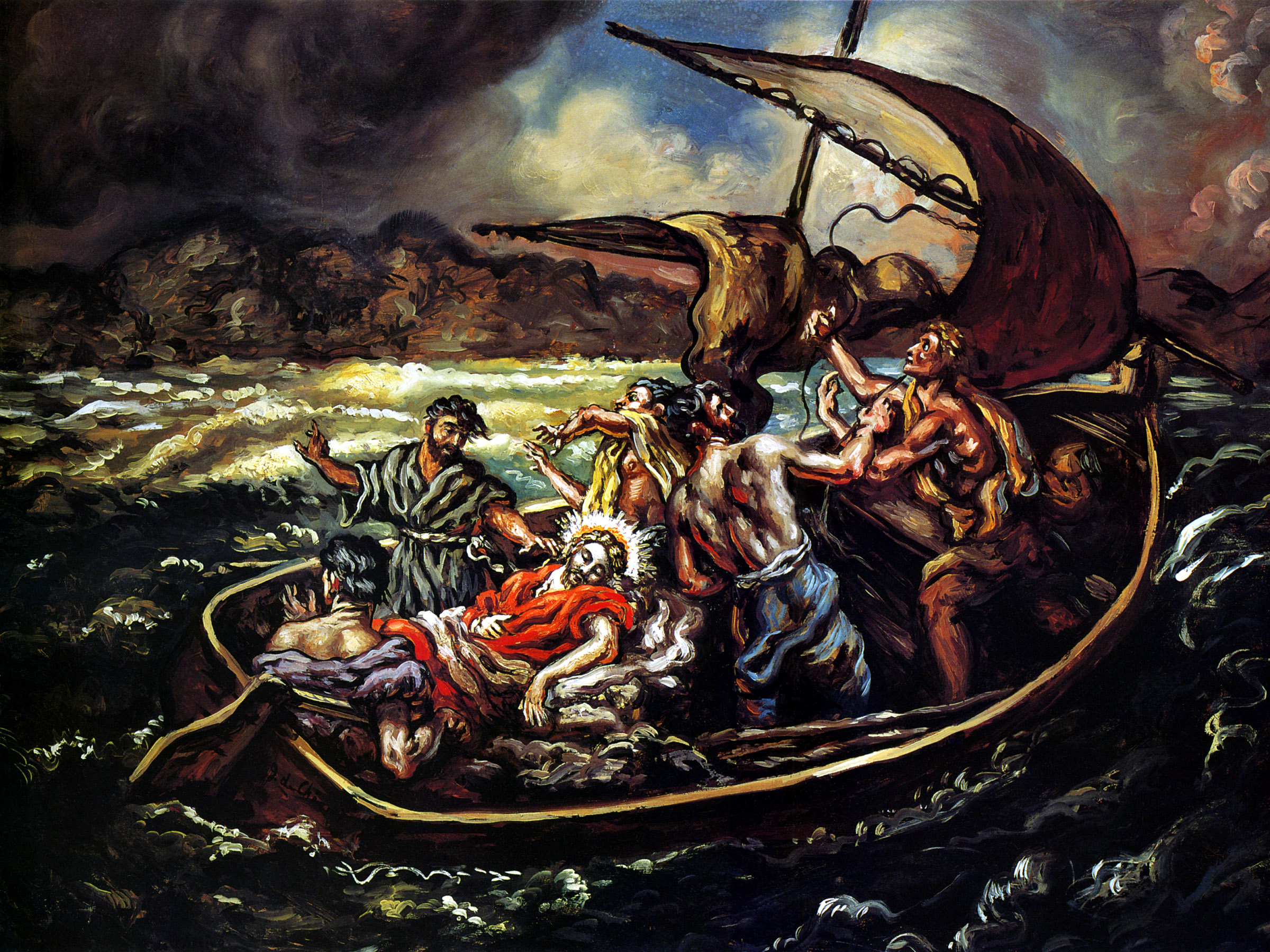
Giorgio de Chirico – Christ and the Storm(1914)
(Arthistoryproject.com)
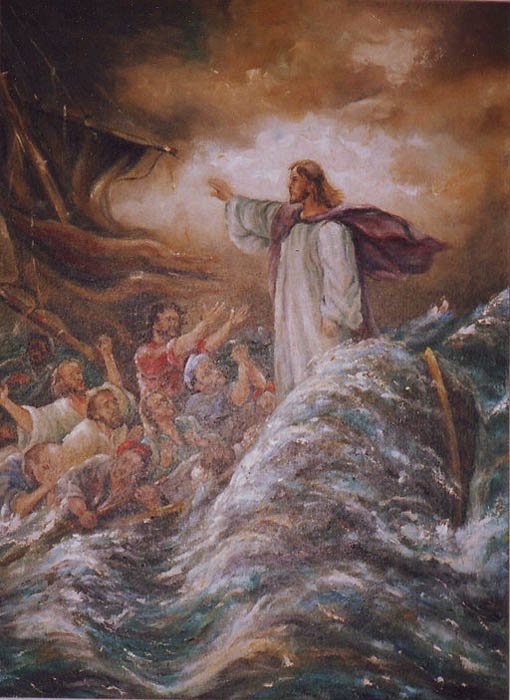
Ernst Georg Bartsch – Jesus with his disciples on the Sea of Galilee(1967)(Creative Commons Attribution-Share Alike 3.0 Unported license.,Wikimedia Commons)
(更多...)

Brueghel, Jan I – Christ in the Storm on the Sea of Galilee(1596)Thyssen-Bornemisza Museum(Public Domain,Wikimedia Commons)

Peter Paul Rubens – Christ on the Sea of Galilee(c.1608~9) Gemäldegalerie Alte Meister, Dresden, Germany(Public Domain, Wikimedia Commons)

Julius Schnorr von Carolsfeld – Woodcut for “Die Bibel in Bildern”(1860)
(Public Domain, Wikimedia Commons)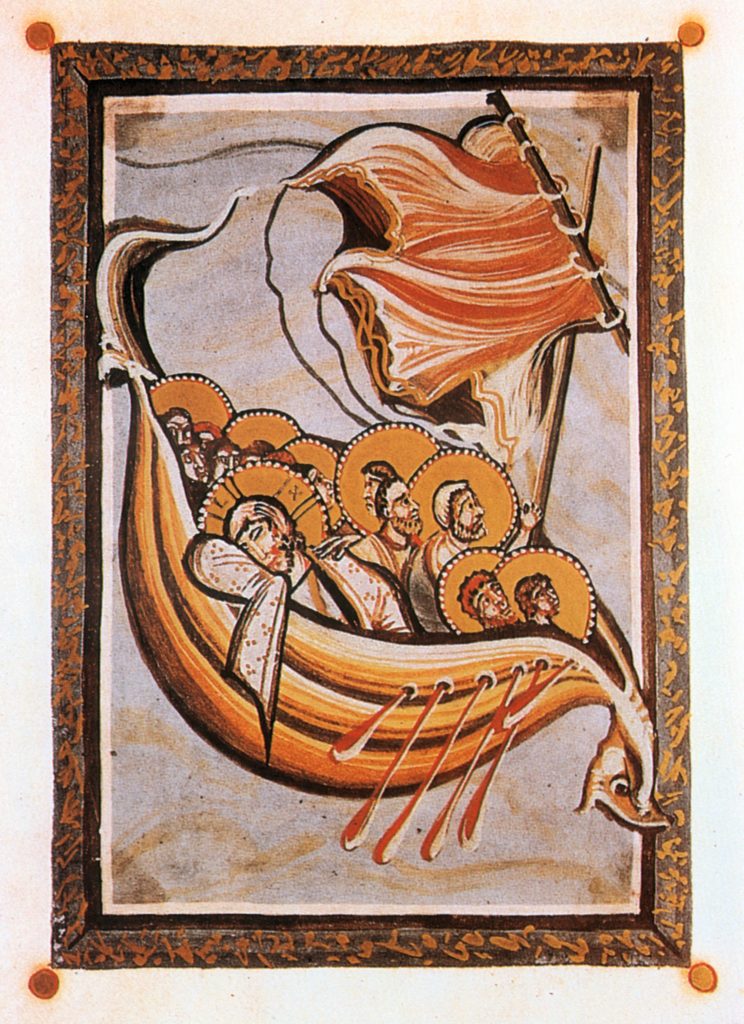
Anonymous, from the Middle Ages – en:Calming the storm, de:Hitda-Codex(11th century)Hessische Landes- und Hochschulbibliothek cod. 1640, fol. 117r
(Public Domain, Wikimedia Commons)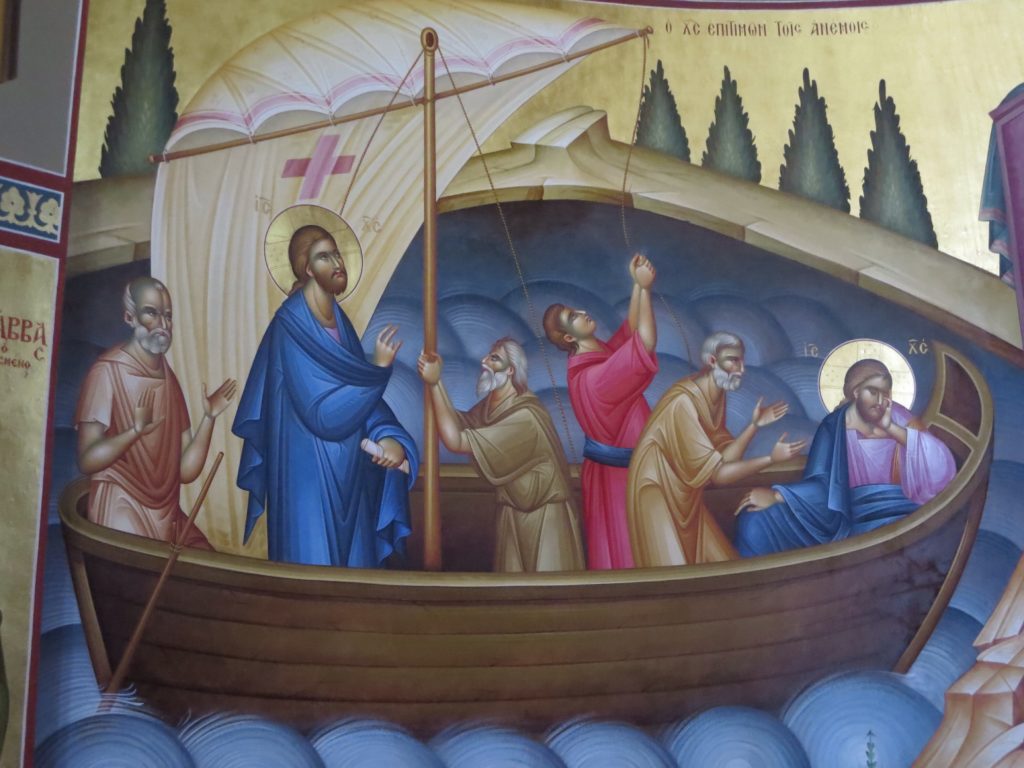
Anonymous – Icon/Mural of the calming of the storm on the Sea of Galilee, in the Greek Orthodox Church in Capernaum, Galilee(Pilgrim Pat)